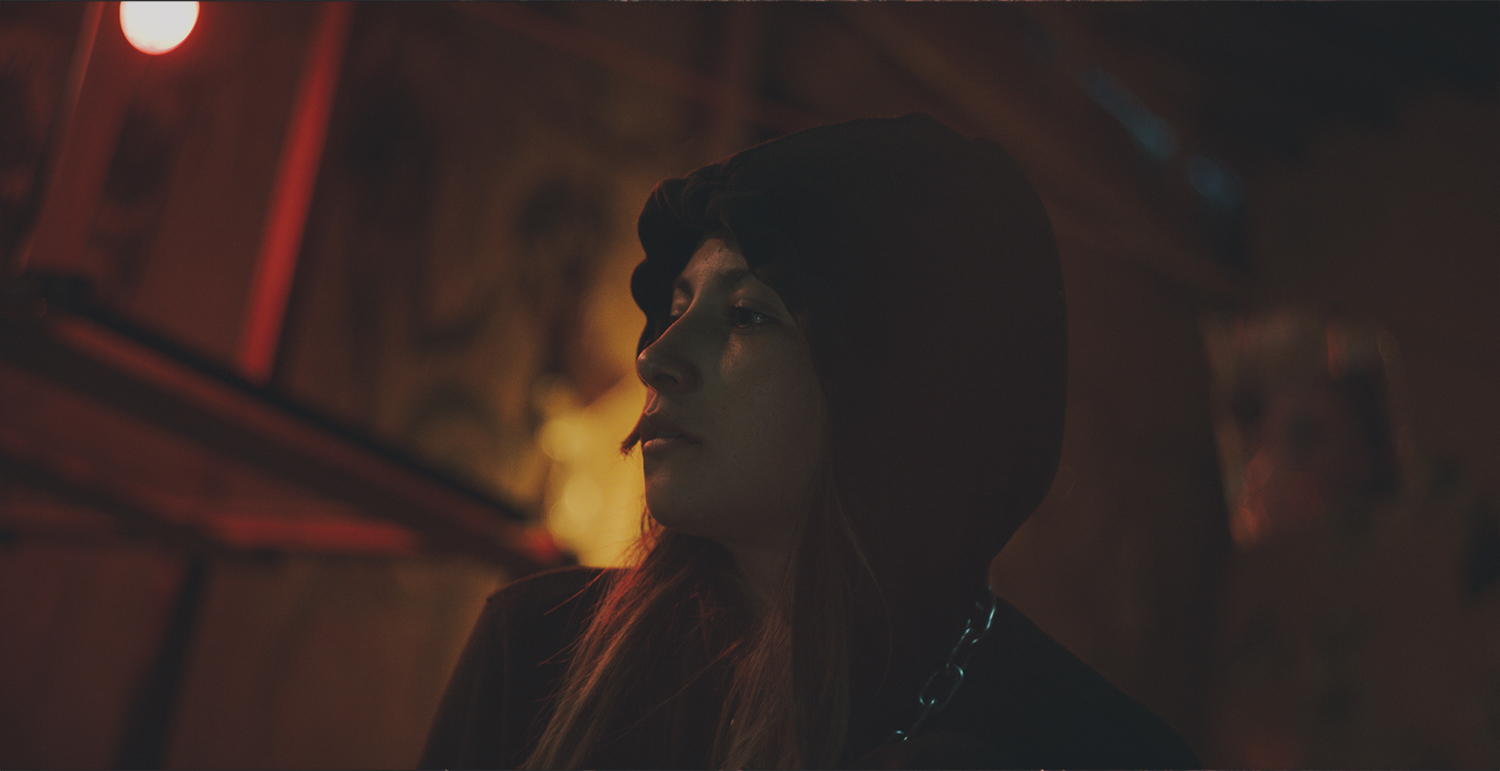
Doctors Are Signing Up — Call Me Nothing Turns Film Into a CE‑Friendly Clinical Lab
Call Me Nothing Turns Film Into a CE‑Friendly Clinical Lab
Call Me Nothing, the new psychological feature from Bravery Pictures, is doing something different: turning a powerful cinematic story into a hands‑on learning opportunity for clinicians. Psychiatrists, forensic psychologists, trauma specialists and neuropsychiatrists from around the globe are already signing up to join the film’s Clinical Review Board — and many are claiming the program as a blue‑sky study for continuing education and license maintenance.
This isn’t a dry academic exercise. It’s a practical, fast‑moving program that lets clinicians watch, evaluate, and directly influence how psychosis, dissociation, and command hallucinations are portrayed on screen — while earning documented CE/CPD hours they can use for annual license renewal.
Why clinicians are excited
– Real film, real clinical value. The film is picture‑locked; the visuals are finished. Clinicians get to review the final product and the clinical dossier that underpins it.
– CE/CPD‑friendly structure. Participation maps to self‑directed learning and pro‑bono consultation hours, with certificates and documentation clinicians can submit for licensing maintenance.
– Global peer review. Experts from Europe, North America, Latin America and Asia will compare notes and contribute to a public consensus report for training and education.
– Impact beyond the screen. Feedback will be anonymized and aggregated into a consensus report that can be used in grand rounds, university courses, and trauma‑informed practice.
The case at the center
The film follows Amaris Everheart, whose life is shaped by fractured memory, internal voices, and trauma‑driven psychosis. Rather than dramatizing the abduction itself, Call Me Nothing focuses on the aftermath — the internal architecture of a mind that rebuilt itself to survive as an adult who was kidnapped from an early age. Clinicians will review the film, cassette‑tape transcripts, and a fictionalized clinical dossier to assess whether the portrayal is clinically consistent and useful as a training tool.
How clinicians can join (quick)
Bravery Pictures offers three participation tiers so clinicians can choose how deep they want to go:
– Tier 1 — Associate ($150): Watch the first 30 minutes, complete a DSM‑5/ICD‑11 checklist, with a certificate and on‑screen credit.
– Tier 2 — Consultant ($300): Private screener of the full feature, full script access, advanced evaluation tools, and a premium on‑screen credit with IMDb listing included.
– Tier 3 — Brand Partner (negotiated, one slot per client with limited vailability): Strategic partnership, priority visibility, and the option to voice the consulting doctor on a cassette in the film.
All tiers include formal documentation for CE/CPD claims where applicable. Bravery Pictures provides a structured plan, measurable hours, and a signed certificate — the exact materials many licensing boards require for self‑directed learning submissions.
Who’s already on board
Early sign‑ups include forensic psychiatrists, clinical neuropsychiatrists, trauma psychologists, child protection specialists, and senior forensic consultants with deep experience in psychosis and dissociation. Their participation will be anonymized and combined into a consensus report that Bravery Pictures will publish for educational use.
Ethics and confidentiality
Everything is handled under strict confidentiality. The dossier is a fictionalized, anonymized construct inspired by real events; no real patient records are shared. Clinicians must sign a confidentiality agreement before accessing pre‑release materials.
Want in?
Spots are limited for the pre‑release review cycle. Clinicians who want CE‑friendly, practical review experience and a chance to shape a film’s clinical accuracy should register now through the Call Me Nothing Clinical Review page.
For more information contact: hello@braverypictures.com or visit braverypictures.com