Direction and visual language
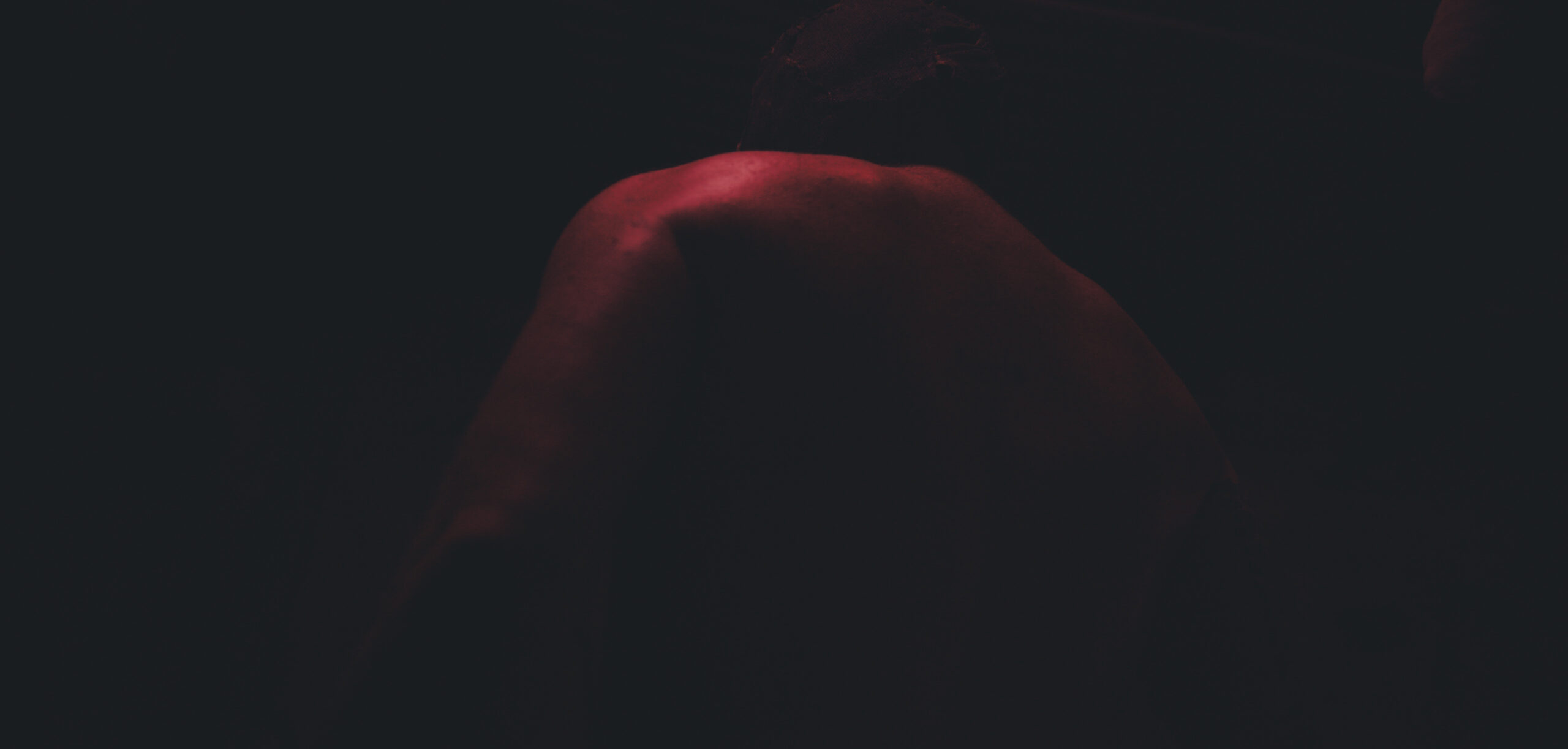
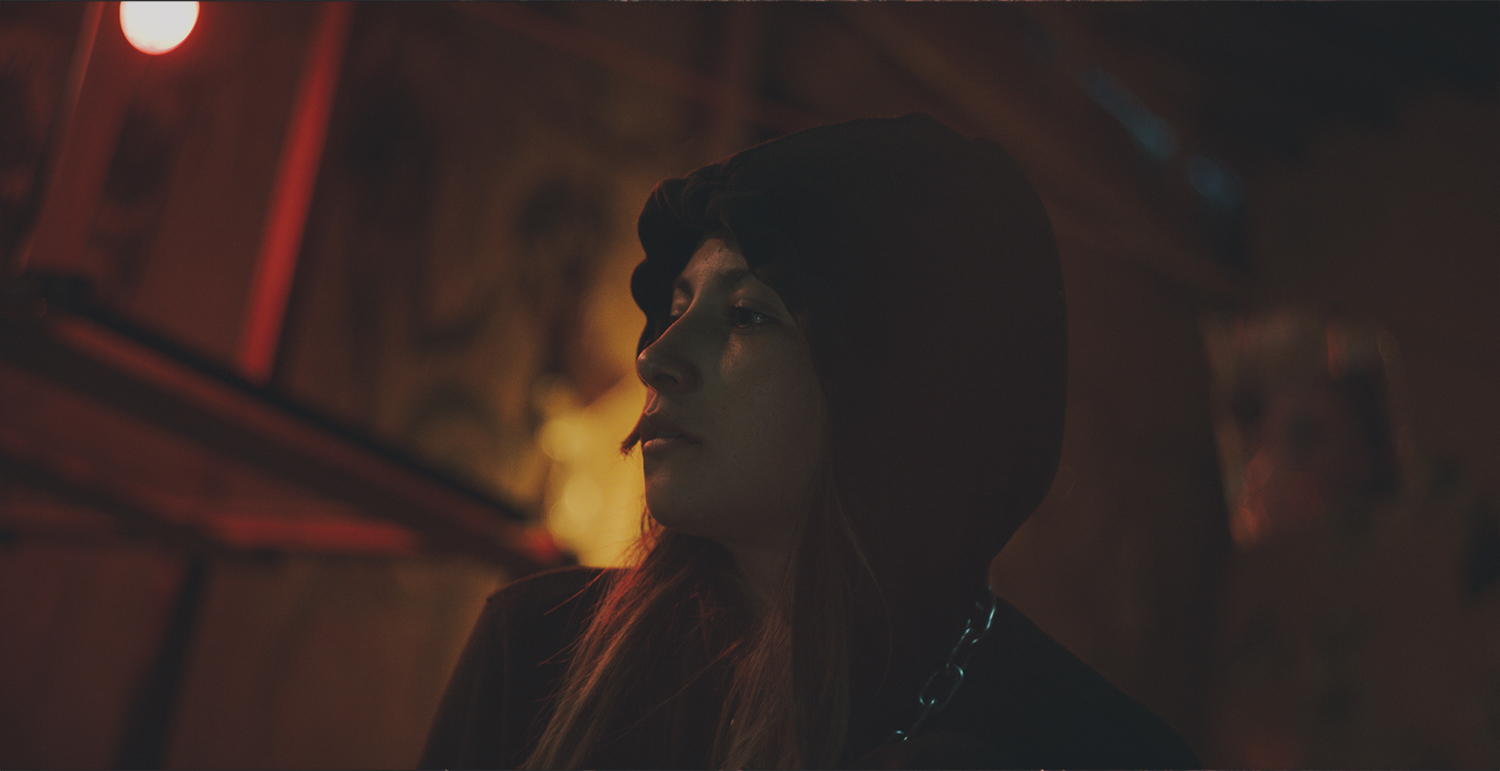
The director orchestrates mise-en-scène with clinical intelligence. Frame compositions hold characters at the edge of scenes as if they are being observed by invisible committees. Light and shadow editorialize; public brightness masks private corrosion. Practical production choices consistently privilege texture and tactility, which gives the film a lived-in immediacy that amplifies its ideas. The camera’s slow, patient moves cultivate a growing claustrophobia that finally erupts, and that eruption lands with the moral force the film has been building toward.
Performances and characters
Every performance earns its place as part of a social ecosystem. The actors playing the manipulators are chilling not because they are one-dimensionally cruel but because they make coercion feel inevitable and bureaucratic. The cast who interact with the mannequins embody small, believable negotiations of dignity and fear. The quieter performances — the glances, the hesitations, the small compromises — are the film’s most devastating currency. Empathy here is complicated and earned, never handed to the audience as consolation.
Sound and editing
Sound design acts as a second narrator. Offhand comments and background chatter swell into accusatory crescendos. Editing stitches together private betrayals and public rituals in a way that demonstrates how quickly social pressure compounds. Silence is used as a rebuke. The score is economical and invasive, insinuating ideas rather than spelling them out.
Emotional and cultural impact
The film operates as both mirror and accusation. It asks why people accept scripts that harm them and why communities tacitly endorse the very systems that disenfranchise them. It compels viewers to recognize their own spectating habits and to feel the moral discomfort of recognizing a part of themselves in the manipulators and in those who look away. This is not a film that comforts. It insists on reflection.
Why this matters
This is a must-see cinematic event for audiences who want more than spectacle. It is a sophisticated, genre-bending work that uses the tools of suspense, dark humor, and formal restraint to stage a scathing meditation on social control and collective silence. The film will stay with viewers because it makes the abstract mechanisms of manipulation feel painfully, domestically real.